
What is PDRN in Skincare? The “Salmon DNA” Trend Explained (Science-Backed)
What is PDRN in Skincare?
PDRN (Polydeoxyribonucleotide) is a regenerative skin treatment derived from salmon DNA that is 95% similar to human DNA. Unlike Retinol, which exfoliates the surface, PDRN works by activating Adenosine A2A receptors to heal the skin barrier, stimulate collagen, and reduce inflammation from the inside out. It is primarily used for acne scars, rosacea, and anti-aging.
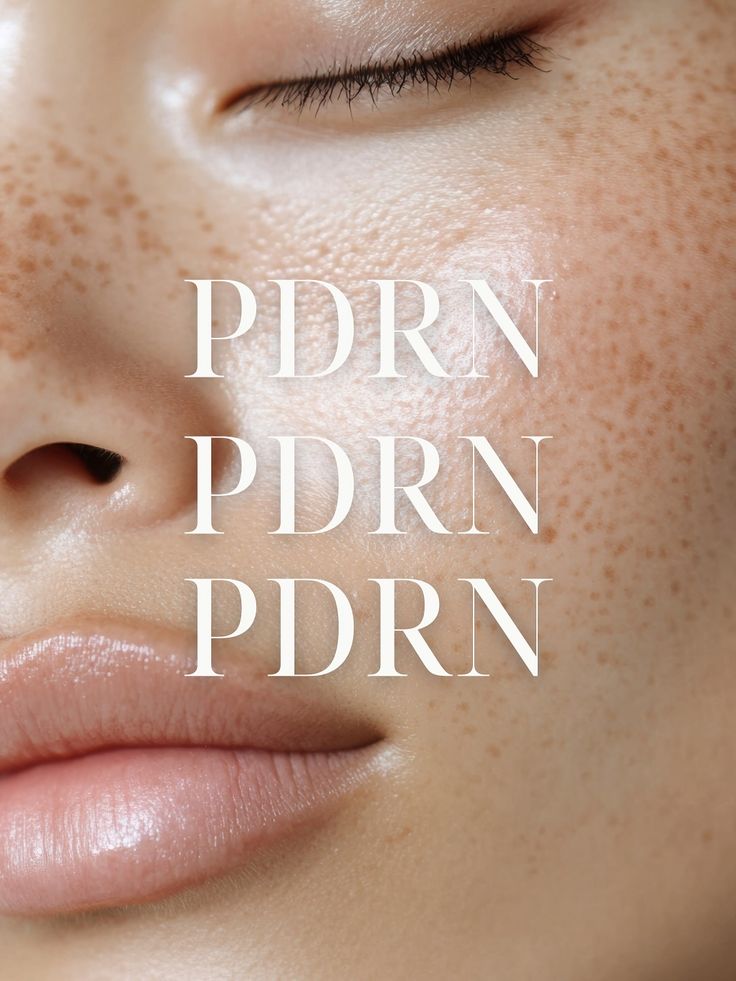
Yes, It’s Salmon Sperm. (And Yes, It’s Genius.)
You’ve likely seen the viral TikToks: influencers rubbing clear, viscous ampoules on their faces, claiming it gives them “glass skin” overnight. The catch? The key ingredient comes from salmon testicles.
It sounds like a gimmick – or worse, a gross-out factor for views. But here is the reality: PDRN (Polydeoxyribonucleotide) is not a trend invented for social media. It is a pharmaceutical-grade regenerative agent originally used in medicine to heal diabetic ulcers and skin grafts.
Now, it has entered the K-Beauty chat as a barrier-repairing powerhouse. If Retinol is the “strict teacher” who forces your skin to work harder, PDRN is the “supportive therapist” who heals your skin’s trauma.
But what is PDRN skincare exactly, and how does putting fish DNA on your face actually help wrinkles? Let’s decode the biochemistry.
Key Takeaways
- What is it? PDRN is a DNA fragment extracted from salmon sperm cells (milt). It is 95% compatible with human DNA. ( Read detailed science behind PDRN here)
- How it works: It activates specific receptors (A2A) in your cells to speed up tissue repair and reduce inflammation.
- Best for: Acne scars, thin/sensitive skin, and damaged barriers that cannot tolerate Retinol.
- The Result: Thicker dermis, improved elasticity, and accelerated wound healing.
The Science: How “Salmon DNA” Hacks Your Cells
To understand PDRN, you have to forget the idea of “moisturizing.” PDRN doesn’t just sit on top of your skin; it communicates with it.
Biologically, PDRN is a mixture of deoxyribonucleotides. These are the building blocks of DNA. When you apply PDRN to your skin, it doesn’t “change” your DNA. Instead, it acts as a signaling molecule.
1. The “Lock and Key” Mechanism (A2A Receptors)
Here is the simplified science: Your cells have “locks” on them called A2A Adenosine Receptors. When PDRN (the “key”) enters your skin and clicks into this lock, it triggers a massive “Healing Mode” protocol.
- It reduces inflammation cytokines (calming redness instantly).
- It creates new blood vessels (angiogenesis), improving blood flow and glow.
- It wakes up fibroblasts, the cells responsible for making collagen.
2. The “Salvage Pathway”
Usually, your body has to build DNA ingredients from scratch to repair a cut or a pimple (a slow, energy-heavy process). PDRN provides the “pre-made bricks” (nucleotides). Your skin cells use these pre-made bricks via the Salvage Pathway to repair tissue significantly faster than they could on their own.
3 Major Benefits of PDRN for Skin
If you look at the clinical data (originally from injectable treatments like Rejuran Healer), the results translate impressively to topical skincare.
1. Deep Barrier Repair & Thickening
Most barrier creams (Ceramides, Panthenol) act like mortar to patch the cracks in your skin. PDRN is different—it actually thickens the dermis (the deeper layer of skin). Studies show that consistent use can increase dermal density, making thin, crepey skin feel “bouncy” again.
2. Acne Scar Regeneration
This is the holy grail for acne sufferers. Because PDRN was designed for wound healing, it is exceptional at treating atrophic scars (the indented ice-pick or boxcar scars). It regenerates the tissue from the inside out, essentially “filling in” the dents over time by stimulating collagen synthesis.
3. The “Anti-Retinol” Anti-Aging
Retinol works by irritation , it forces your skin to shed layers. PDRN works by soothing. It smooths fine lines and wrinkles by repairing the underlying structure without the purging, peeling, or redness associated with Vitamin A.
Who Is This For? (The Skintellectual Verdict)
You need PDRN if:
- You have “Thin” Skin: If your skin feels paper-thin or you have visible veins/capillaries (Rosacea).
- You damaged your barrier: If you over-exfoliated with acids and your face stings.
- You have acne scars: Specifically, fresh, red marks (PIE) or indented scars.
You might skip PDRN if:
- You are strictly Vegan: Most effective PDRN is currently derived from salmon (Chum Salmon or Rainbow Trout).
- Note: Plant-based PDRN (from rice or seaweed) is entering the market, but the clinical data is currently less robust than the salmon-derived originals.
Safety & Side Effects: Is It Safe?
Is it safe? Yes. Because salmon DNA is highly biocompatible with human DNA, the risk of an immune reaction is incredibly low. In fact, it is often prescribed to people with reactive skin to calm it down.
Does it smell fishy? Generally, no. Pharmaceutical-grade PDRN is highly purified. If your serum smells like a fish market, it is likely a low-quality formulation or has gone bad. Most premium K-Beauty PDRN serums (like VT or Rejuran) are odorless.
Final Verdict
PDRN is not just “viral fluff.” It represents a shift in skincare from Exfoliation (stripping the skin) to Regeneration (building the skin). If your skin is tired, stressed, or scarred, this biological “battery pack” might be exactly what your routine is missing.



2 Comments